
Tile and Grout Cleaning
Why Grout Stays Dirty After Mopping
Mopping can clean the tile face while leaving soil in recessed grout lines. Dirty wash water and excess detergent can also leave residue behind. Over time, those deposits may make floors look uneven or feel sticky despite care.
Bathrooms present different challenges, including soap scum and hard water deposits. Kitchens often combine tracked dirt with cooking grease. Identifying the buildup matters because one cleaner will not suit every problem. Persistent discoloration may also reflect staining or damage rather than dirt.
Where Deep Cleaning Makes Sense
Deep cleaning makes sense when routine maintenance no longer removes visible buildup. Kitchen floors, shower surrounds, bathroom tile, and busy entryways each collect different deposits. The decision should reflect the surface condition and how the space is used.
Homeowners may want to refresh existing tile before considering renovation. Businesses may need a more manageable maintenance routine for heavily used areas. For restaurant or other commercial floors, confirm service availability and access requirements before arranging work around staff, visitors, or equipment.
Matching Treatment to Tile Type
Ceramic and porcelain surfaces are not interchangeable with marble, travertine, or slate. Product selection must account for the material, finish, grout, and any existing treatment. Acidic cleaners can damage sensitive stone, so stronger chemistry is not automatically a better choice.
An assessment should also identify cracked joints, loose tiles, and surrounding surfaces needing protection. Testing a discreet area helps evaluate the proposed method. Where damage is present, discuss whether cleaning should proceed, be limited, or wait until repairs are completed.
Our Three Stages of Deep Cleaning
Assess and Prepare
Identify surface materials, inspect grout condition, and choose pretreatment while protecting nearby finishes and belongings.
Loosen and Extract
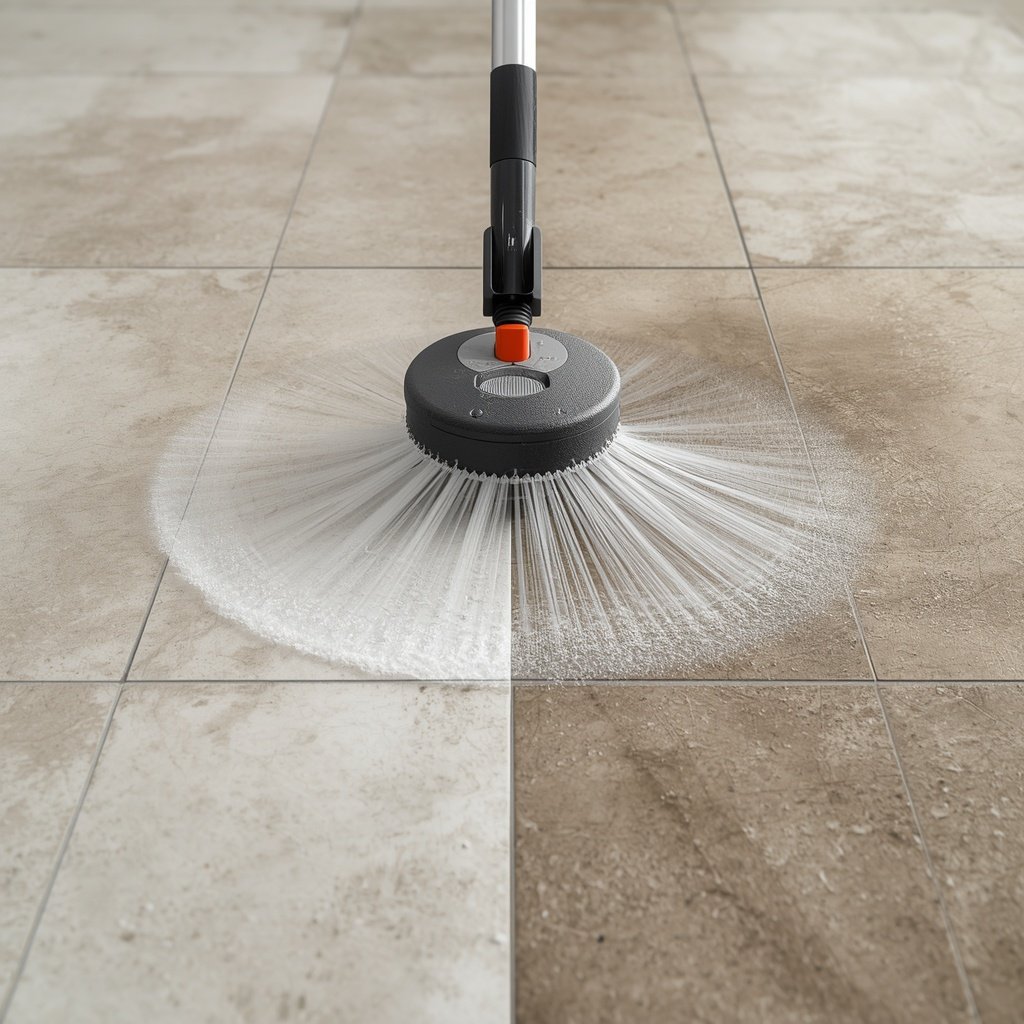
Use appropriate agitation to release deposits, then extract loosened dirt without stressing vulnerable grout joints.
Rinse and Review
Remove remaining cleaning residue, inspect results, and explain drying requirements alongside recommendations for ongoing maintenance.
Results That Improve Everyday Upkeep
Cleaner Grout Lines
Removing soil can reduce dark lines and improve consistency where discoloration comes from removable buildup.
Clearer Tile Surfaces
Lifting dull surface films helps reveal the finish without promising polishing or restoration of damage.
Reduced Grease Buildup
Targeting cooking deposits addresses stubborn kitchen grime that may persist despite mopping with unsuitable products.
Less Soap Residue
Suitable bathroom cleaning tackles soap films without treating every chalky mark as the same problem.
Easier Routine Maintenance
Removing accumulated residue provides a cleaner starting point for daily care and sensible product use.
Informed Repair Decisions
Assessing imperfections after cleaning helps separate removable contamination from damaged joints or altered tile finishes.
Confidence in Every Service Detail
Surface Assessment
Ask how tile identification, grout condition, and treatments influence the cleaning recommendation for your space.
Defined Pricing
Confirm the measured area, included treatments, and any separate sealing charges before approving the work.
Realistic Outcomes
Discuss which marks may improve and which reflect staining, etching, or damage cleaning cannot repair.
Relevant Results
Compare project examples involving similar surfaces, with attention to starting condition and the work performed.
Choose Protection That Fits Your Grout.
When Grout Sealing Adds Value
Grout sealing may help porous joints resist absorption and staining, but it is not needed for every grout type. Existing treatments, grout condition, and manufacturer instructions determine whether a sealer is appropriate. Cleaning and required drying come before application.
Sealer does not repair cracks, make grout stainproof, or replace shower waterproofing. If sealing is available, ask which product is proposed, what protection it provides, and how long the area must remain unused. Continue routine cleaning and address spills promptly afterward.
FAQs
Can cleaning change my grout to a different color?
Cleaning removes buildup and may reveal a lighter original shade, but it does not intentionally recolor grout. If you want a different color, ask whether a separate color treatment is available. Do not assume recoloring is included in a cleaning quote.
Why does a white powder keep returning on my grout?
Does newly installed tile need the same cleaning as an older floor?
Not always. New tile may have installation residue or grout haze rather than everyday grime. Tell the cleaner when installation finished and which grout was used. Product curing requirements should guide when cleaning can begin and which treatment is appropriate.
Is professional cleaning worthwhile for textured tile?
It can be, especially when dirt collects in grooves that a mop passes over. Explain whether the main concern is trapped soil, grease, or cleaning residue. The texture and material help determine suitable brushes, products, and soil removal methods.
Should I stop using a shower if the grout is crumbling?
Arrange an assessment before booking deep cleaning. Crumbling joints need repair evaluation, and additional scrubbing may loosen weakened material. If tiles are loose or water appears outside the shower, avoid using it until the problem has been checked. Cleaning cannot repair failed joints.
Get Your Tile Cleaning Estimate
Send photographs of the area and closer views of dark joints, surface films, or stubborn marks. Include approximate dimensions and the tile type if known. Mention previous sealing, cleaning products used, and any loose tiles or damaged grout.
Request an estimate to discuss the likely scope and whether an inspection is needed. Confirm included work, access arrangements, and guidance for using the area afterward. You can then decide on cleaning with a practical understanding of the cost and next steps.