
Flood Restoration
What Does Complete Flood Restoration Involve?
Flood restoration is the process of making a flooded property safer and ready for needed repairs. It combines damage assessment, removal of remaining water, management of affected materials, cleaning appropriate surfaces, and controlled drying. That distinction matters after water has soaked into walls or floors. A room can have no puddles and still hold moisture in insulation, subfloors, or behind baseboards. The restoration plan depends on where the water came from, how long materials stayed wet, and whether contamination is possible. Not every damaged item can be restored. Porous materials, such as carpet padding or certain wall finishes, may need removal when contaminated or badly deteriorated. A thorough evaluation helps separate drying work from repairs that should happen afterward.
When Does Flooding Require Professional Restoration
Professional flood restoration is worth considering when floodwater has reached building materials, affected more than a small isolated area, or raised questions about safety. Owners of homes and commercial spaces may face different disruptions, but both need to understand the full extent of exposure.
Stormwater entering a basement, overflow from an outside drainage problem, or flooding across several rooms can introduce debris and unknown contaminants. Even after the water drains, wet insulation and flooring layers may remain out of sight. Call for an assessment if water has reached wall cavities, power outlets, or areas used for essential operations. Do not enter rooms with suspected electrical hazards or unstable structures. The first decision is whether the space is safe to approach, not how quickly it can be reopened.
What Damage Can Floodwater Leave Behind?
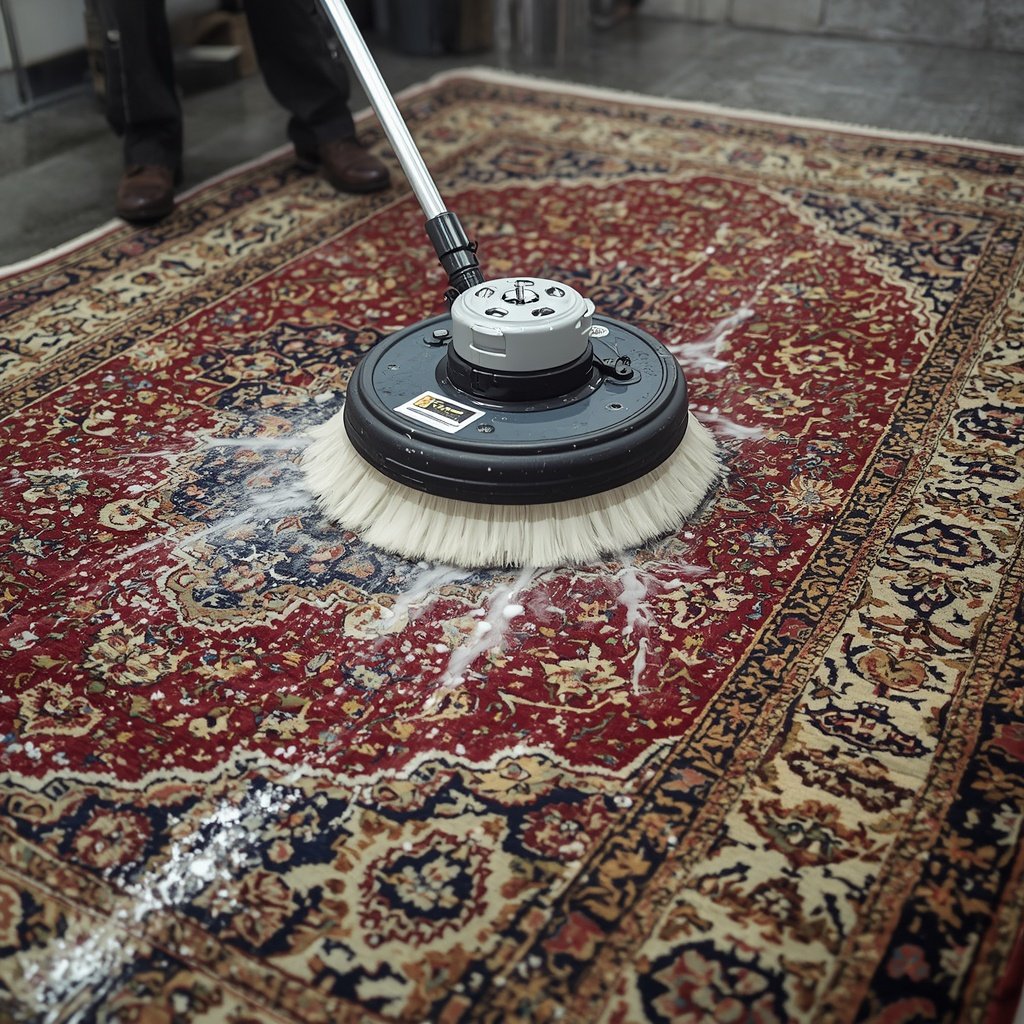
How Do We Restore Flood Damaged Properties
Evaluate Flood Impact
We trace flood impact, check safety concerns, and identify materials needing cleaning, removal, or drying.
Remove and Stabilize
After hazards are assessed, we remove remaining water, address unsuitable materials, and begin controlled drying.
Verify Recovery Conditions
We review moisture measurements, record drying progress, and explain cleanup or repair work still needed.
How Does Professional Flood Restoration Protect Your Property
Reduced Structural Deterioration
Addressing trapped moisture helps limit deterioration in flooring supports, wall materials, and other vulnerable assemblies.
Improved Indoor Conditions
Managing wet materials and contamination concerns can reduce unwanted odors and support safer recovery decisions.
Hidden Moisture Detection
Targeted checks reveal moisture beneath finished surfaces, where lingering dampness might otherwise escape everyday inspection.
Smarter Material Decisions
Evaluating exposure and material condition helps distinguish items suitable for drying from those requiring replacement.
Controlled Drying Progress
Recorded moisture readings help determine whether drying measures are working and when action is necessary.
Better Recovery Planning
A documented restoration scope helps owners prioritize repairs, discuss costs, and make scheduling decisions confidently.
What Makes Colorado StainMaster a Reliable Choice
Detailed Damage Evaluation
We consider water exposure, material condition, and possible contamination before discussing the appropriate restoration scope.
Material Specific Planning
Different materials absorb and release moisture differently, making decisions about cleaning, drying, or replacement essential.
Appropriate Restoration Methods
We match cleanup and drying choices to conditions instead of assuming every flood behaves alike.
Clear Project Communication
We explain findings, next steps, and limits of the work so decisions remain understandable throughout.
Healthy recovery starts with risk awareness.
Which Safety Measures Matter After Flooding
FAQs
How Soon Should Flood Restoration Begin?
Flood restoration should begin as soon as the property is safe to access. Delays can allow moisture to spread into walls, flooring, and insulation. Early action helps reduce further damage and makes it easier to plan cleanup and drying.
Can Flood Damaged Flooring Be Saved?
Some flooring can be restored, depending on the material, water source, and length of exposure. Wood, tile, and other surfaces respond differently to moisture. A professional assessment helps determine whether drying, cleaning, or replacement is the best option.
How Long Does Flood Restoration Take?
The timeline depends on the size of the affected area, the amount of trapped moisture, and the materials involved. Drying may take several days, while major repairs can take longer. Moisture readings help track progress and guide the next steps.
Does Homeowners Insurance Cover Flood Restoration?
Coverage depends on your policy and what caused the flooding. Standard homeowners insurance often excludes flooding from outside water sources. Some sudden indoor water damage may be covered. Review your policy and ask your insurer about documentation and claim requirements.
Can I Stay in My Home During Flood Restoration?
It depends on the extent of damage and any safety concerns. Small, isolated areas may allow normal use of other rooms. Widespread flooding, contaminated water, electrical hazards, or major drying work may require temporary relocation until conditions are safer.
Ready to Recover From Flood Damage
Flood damage can leave hidden moisture and weakened materials behind. Colorado StainMaster helps assess affected areas, plan cleanup, and identify necessary drying work. Contact us to discuss your flood restoration needs and get a clear estimate.